
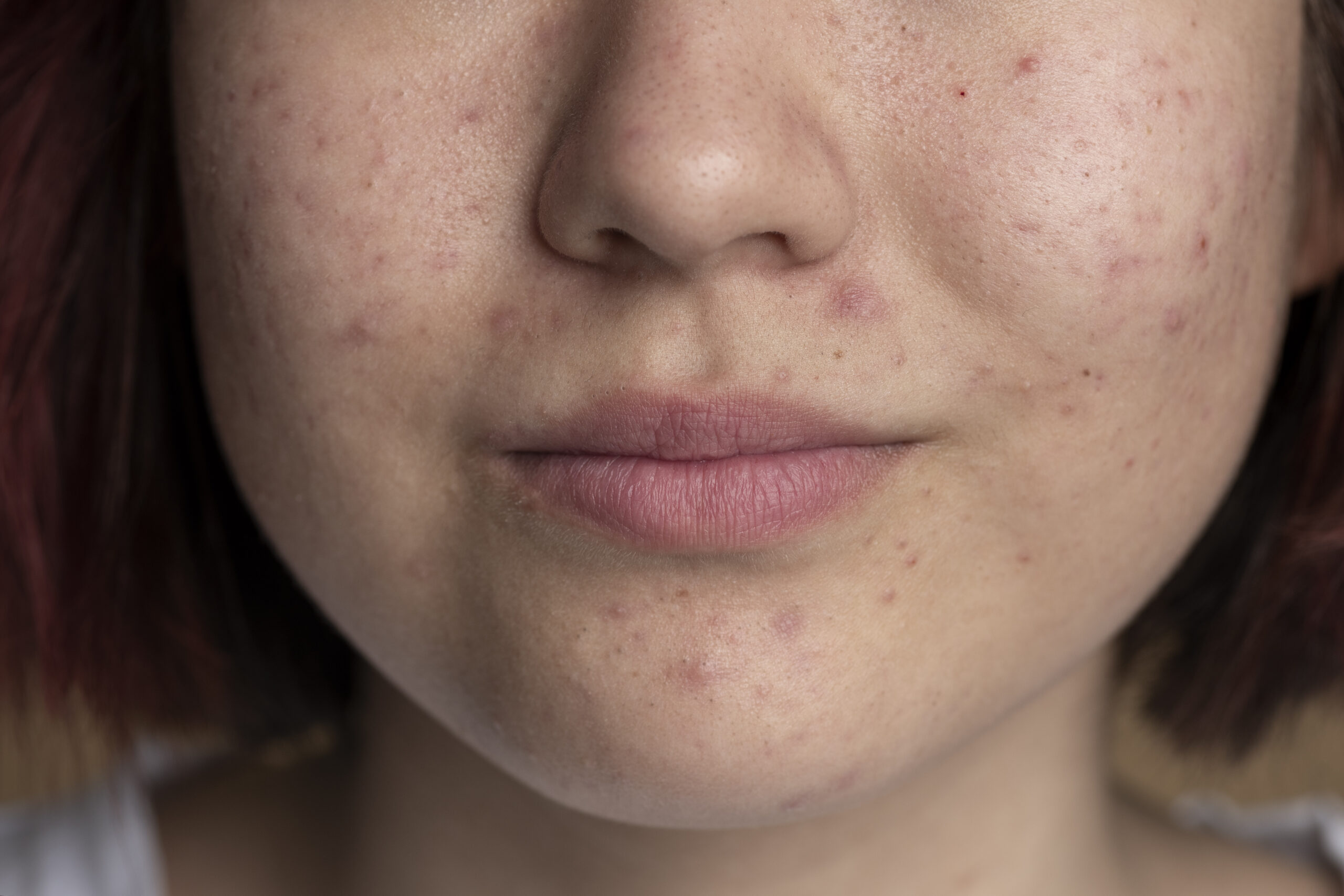
What Are Acne and Acne Scars?
Acne is a common skin problem. It causes pimples, blackheads, and whiteheads. Many people get acne during their teenage years. However, adults can have it too. Sometimes, acne leaves behind marks called acne scars. These scars can be flat, raised, or look like small pits. Because acne and acne scars can affect self-confidence, many people look for ways to treat them.
Causes and Risk Factors
Acne happens when hair follicles get clogged with oil and dead skin cells. Bacteria can also play a role. Several factors can increase your risk of acne:
On the other hand, picking or squeezing pimples can lead to scars. Not everyone with acne will get scars, but deep or long-lasting acne increases the risk.
Overview of Medical Treatments for Acne and Scars
For many people, medical treatments can help control acne and reduce scars. These treatments are often prescribed by doctors. Some common options include:
For mild acne, over-the-counter products may work. However, moderate or severe acne often needs prescription medicine. Medical treatments can also help fade dark spots left by acne. Yet, deep scars may not improve much with creams alone.
Overview of Procedures for Acne and Scars
Sometimes, medical treatments are not enough. In these cases, skin procedures can help. Dermatologists offer several options, such as:
Because these procedures can have side effects, they should be done by trained professionals. Results may take time and sometimes need more than one session.
How to Decide: Medical Treatment vs Procedures
Choosing between medical treatment and procedures depends on your skin and scar type. Here are some tips to help you decide:
In many cases, a mix of both treatments gives the best results. Your doctor can help you make the right choice for your skin.
Lifestyle Tips for Managing Acne
While treatments help, daily habits also matter. For example, gentle skin care can prevent new breakouts. Try these tips:
Additionally, eating a balanced diet and managing stress can support healthy skin.
Prevention Strategies
Preventing acne and scars is possible with some simple steps. For instance, avoid touching your face often. Also, remove makeup before sleeping. If you play sports, shower soon after sweating. Using sunscreen daily can also protect your skin and help prevent dark spots from getting worse.
When to See a Specialist
Sometimes, home care is not enough. You should see a dermatologist if:
Early treatment can prevent scars and help you feel better about your skin. In cities like New York, Los Angeles, or Chicago, many clinics offer expert care. However, you can find help in most areas.
In summary, acne and acne scars can be managed with the right approach. Consult a dermatologist Dr. Manthan Jhad for personalized advice on acne and acne scar treatment.