
Introduction
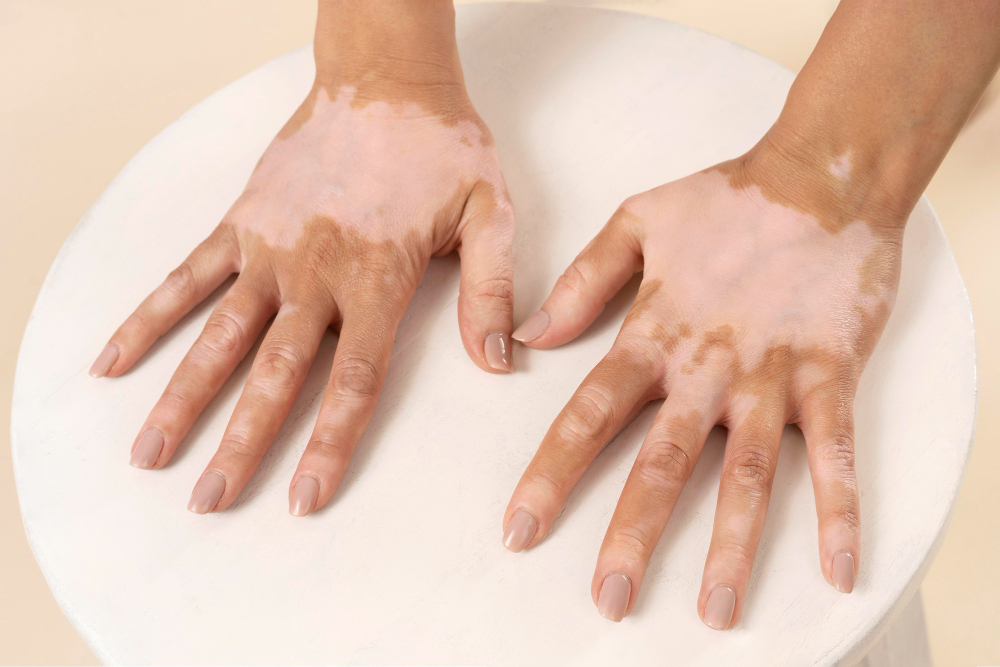
Vitiligo is a skin condition that causes white patches to appear on the skin. These patches form when the cells that give skin its color stop working. Understanding the causes and risk factors of vitiligo can help you know what to look for and when to seek help. Because vitiligo can affect anyone, learning about its causes and risks is important for early care and support.
What is Vitiligo?
Vitiligo is a long-term skin disorder. It happens when pigment cells, called melanocytes, are destroyed. As a result, skin loses its color in certain areas. Sometimes, hair or even the inside of the mouth can be affected. Although vitiligo is not painful or contagious, it can affect a person’s self-esteem. For many, understanding the condition helps them cope better.
Main Causes of Vitiligo
Doctors are still learning about the exact causes of vitiligo. However, several main causes have been identified. Most experts believe that vitiligo is linked to the immune system. Here are some common causes:
For example, if someone has another autoimmune disease, their risk may be higher. Still, not everyone with these causes will develop vitiligo.
Common Risk Factors for Vitiligo
Several risk factors can make a person more likely to develop vitiligo. Knowing these can help you stay aware of changes in your skin. The most common risk factors include:
Additionally, some people may notice white patches after a stressful event or illness. However, not everyone with these risk factors will get vitiligo.
Who is Most at Risk?
Anyone can develop vitiligo, but some groups are more at risk. For instance, people with a family history of the condition have a higher chance. Also, those with other autoimmune diseases are more likely to get vitiligo. According to the World Health Organization, vitiligo affects about 1% of the world’s population. Both men and women can get it, and it often starts before age 30. Still, it can appear at any age.
Can Vitiligo Be Prevented?
Currently, there is no sure way to prevent vitiligo. Because the exact causes are not fully known, prevention is hard. However, you can take steps to protect your skin and lower your risk. For example:
Even though these steps may help, they cannot guarantee prevention. Early care can make a difference if you notice changes in your skin.
When to See a Doctor
If you see white patches on your skin, it is important to talk to a doctor. Early diagnosis can help you get the right care. In addition, a doctor can check for other health issues that may be linked to vitiligo. You should see a healthcare professional if:
Remember, only a doctor can give you a clear diagnosis and suggest the best treatment options.
Consult Dr. Manthan Jhad at Zad clinic for personalized advice about vitiligo.