Introduction
Photosensitivity disorder is a condition where the skin reacts strongly to sunlight or artificial light. For many people, this can cause discomfort or even serious skin problems. Because photosensitivity disorder affects both adults and children, it is important to know its causes, symptoms, and ways to prevent it. Understanding photosensitivity disorder can help you protect your skin and health.
What is Photosensitivity Disorder?
Photosensitivity disorder means your skin is extra sensitive to light. When exposed to sunlight or certain indoor lights, your skin may react with rashes, redness, or pain. Sometimes, even a short time in the sun can cause problems. While anyone can develop this disorder, some people are more at risk due to their genes, health, or medicines they take.
Common Causes of Photosensitivity Disorders
There are several causes of photosensitivity disorder. Knowing these can help you avoid triggers and manage your condition better. Below are the main causes:
Because the causes of photosensitivity disorder are varied, it is important to know your own risk factors.
Symptoms to Watch For
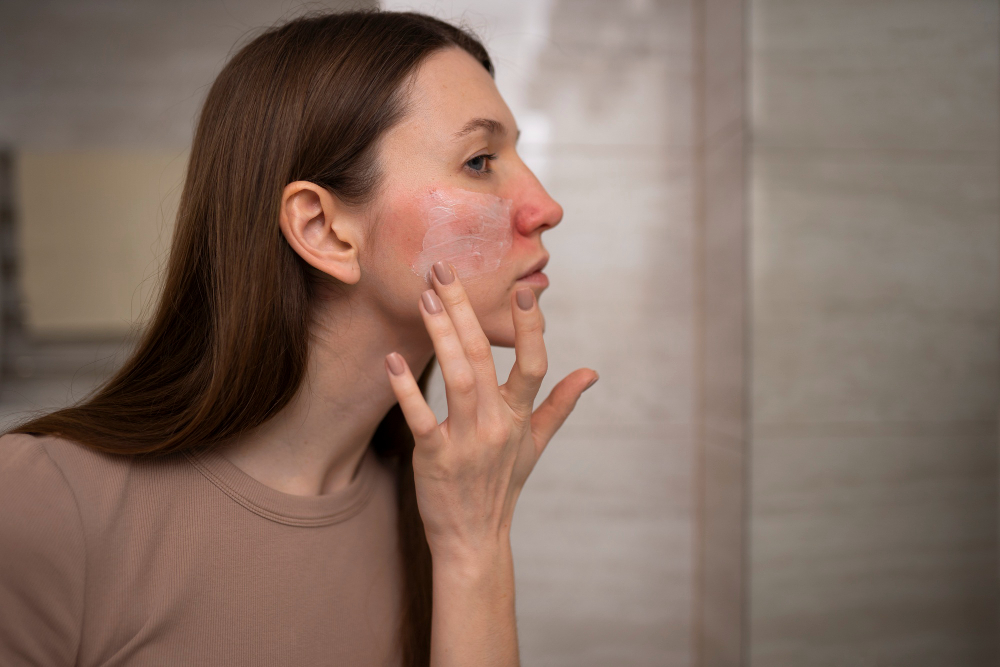
Early signs of photosensitivity disorder can help you seek help sooner. Common symptoms include:
Sometimes, these symptoms may appear within minutes or hours after light exposure. However, in some cases, they may take longer to show up. If you notice these signs, especially after being in the sun, you may have photosensitivity disorder.
Diagnosis and When to Seek Help
If you think you have photosensitivity disorder, it is important to see a healthcare professional. They may ask about your symptoms, medicines, and family history. Sometimes, they will do skin tests or blood tests to find the cause. Early diagnosis can help you avoid serious skin damage. If your symptoms are severe or do not go away, seek medical help right away.
Prevention and Lifestyle Tips
While you cannot always prevent photosensitivity disorder, you can lower your risk. Try these tips:
In addition, talk to your doctor about your risk, especially if you have a family history or take certain medicines. With the right steps, you can enjoy the outdoors more safely.
Conclusion
Photosensitivity disorder can affect anyone, but knowing its causes and symptoms helps you stay safe. If you notice skin changes after light exposure, do not ignore them. Consult Dr. Manthan Jhad at Zad clinic for personalized advice. Early care can make a big difference in managing photosensitivity disorder.