Introduction
Common pediatric skin conditions can affect children of all ages. These issues range from mild rashes to more serious infections. Because children’s skin is sensitive, it is important for parents to recognize early signs. With proper awareness and care, many skin problems can be managed at home. However, some cases need a doctor’s attention. Early action helps prevent discomfort and complications. In this blog, you will learn about common pediatric skin conditions, their symptoms, causes, and how to care for your child’s skin.
Overview of Common Pediatric Skin Conditions
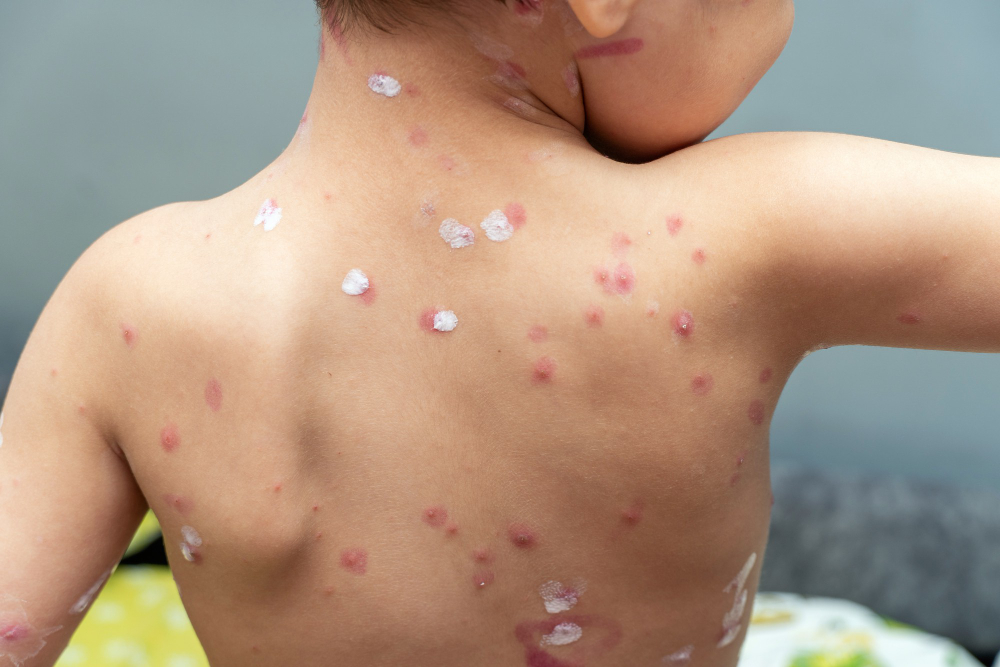
Many children experience skin issues at some point. Some conditions are mild, while others may need treatment. Here are some of the most common pediatric skin conditions:
In some regions, certain skin conditions are more common due to climate or hygiene factors. For example, heat rash is frequent in hot, humid areas.
Symptoms and Early Signs
Recognizing symptoms early can help you act quickly. While each condition looks different, some signs are common. For instance, you may notice:
Sometimes, your child may also have a fever or seem more tired than usual. If you see these signs, it is wise to monitor your child closely.
Causes and Risk Factors
Many things can cause skin problems in children. For example, some conditions are due to infections, while others are linked to allergies or genetics. Here are some common causes and risk factors:
Because children’s skin is thinner and more sensitive, they are more likely to develop rashes and irritation.
Diagnosis and When to See a Doctor
Most mild skin rashes can be managed at home. However, some signs mean you should see a doctor. For example, seek medical advice if:
Doctors may diagnose skin conditions by looking at the rash and asking about symptoms. Sometimes, they may take a small sample for testing. Early diagnosis helps prevent complications and ensures proper treatment.
Treatment Options
Treatment depends on the cause of the skin condition. For mild cases, simple home care may be enough. However, some conditions need medicine. Common treatments include:
Always follow your doctor’s advice and finish any prescribed medicine. Do not use over-the-counter creams without checking with a healthcare provider.
Home Care and Prevention Tips
Good skin care can help prevent many problems. Here are some tips to keep your child’s skin healthy:
Because prevention is easier than treatment, these habits can reduce the risk of many common pediatric skin conditions.
When to Seek Medical Help
Although most rashes are mild, some need urgent care. For example, seek help right away if your child:
Quick action can prevent serious problems. Always trust your instincts as a parent. If you are unsure, it is better to check with a doctor.
Conclusion
In summary, common pediatric skin conditions are a part of growing up for many children. With early awareness and proper care, most skin issues can be managed at home. However, some cases need a doctor’s help. For the best advice on your child’s skin health, consult a pediatrician at Zad Clinic.