Introduction
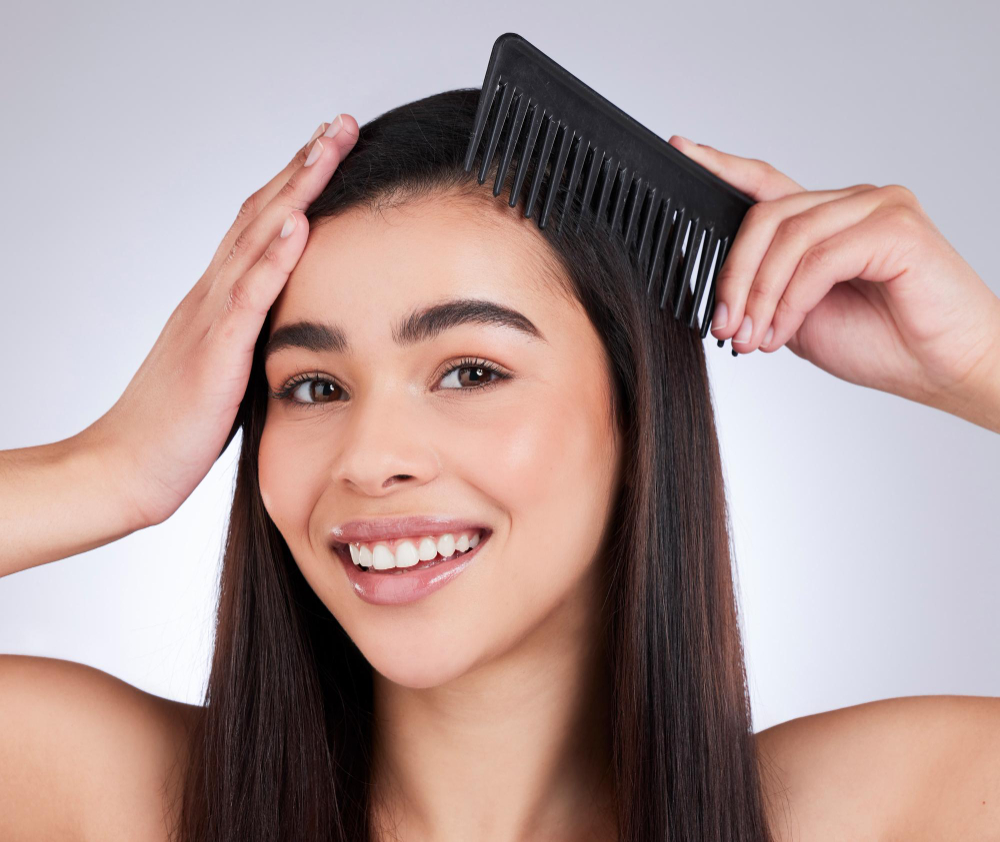
A healthy scalp is the foundation of hair growth and strong, shiny hair. When you care for your scalp, you support healthy hair from the roots. In fact, scalp care tips and hair health basics can help prevent many common problems. Because your scalp is skin, it needs gentle care just like the rest of your body. With the right habits, you can enjoy better hair and fewer issues.
Why a Healthy Scalp Matters
First, a healthy scalp creates the best environment for hair to grow. Each hair starts in a tiny pocket called a follicle. If your scalp is clean and balanced, these follicles work well. On the other hand, a dry or oily scalp can slow hair growth. Also, scalp problems may lead to itching, flaking, or even hair loss. Therefore, caring for your scalp is just as important as caring for your hair.
Signs of a Healthy vs. Unhealthy Scalp
It is easy to spot the difference between a healthy and unhealthy scalp. For example, a healthy scalp usually shows:
In contrast, an unhealthy scalp may have:
Because these signs can change over time, it is wise to check your scalp often.
Causes of Scalp and Hair Problems
Many things can affect your scalp and hair health. For instance, common causes include:
Because these factors are common, it is important to watch for changes in your scalp or hair.
How to Maintain a Healthy Scalp
Fortunately, you can take simple steps to keep your scalp healthy. Try these scalp care tips:
Additionally, avoid scratching or picking at your scalp, as this can cause irritation.
Best Practices for Healthy Hair Growth
Besides scalp care, healthy hair growth depends on good habits. For best results, follow these practices:
Because hair grows slowly, patience and consistency are key.
Prevention Tips for Scalp and Hair Issues
To prevent scalp and hair problems, you can:
Moreover, early action can stop small problems from getting worse.
When to See a Dermatologist
Sometimes, home care is not enough. If you notice severe itching, pain, or hair loss, it is time to see a dermatologist. Also, if you have sores, bleeding, or signs of infection, seek help. Dermatologists can diagnose scalp conditions and suggest the best treatment. According to the American Academy of Dermatology, early care can prevent lasting damage.
Conclusion
In summary, a healthy scalp is the key to healthy hair growth. Simple scalp care tips and good habits can make a big difference. If you have ongoing scalp or hair problems, consult a dermatologist Manthan Jhad for personalized scalp and hair care advice.